
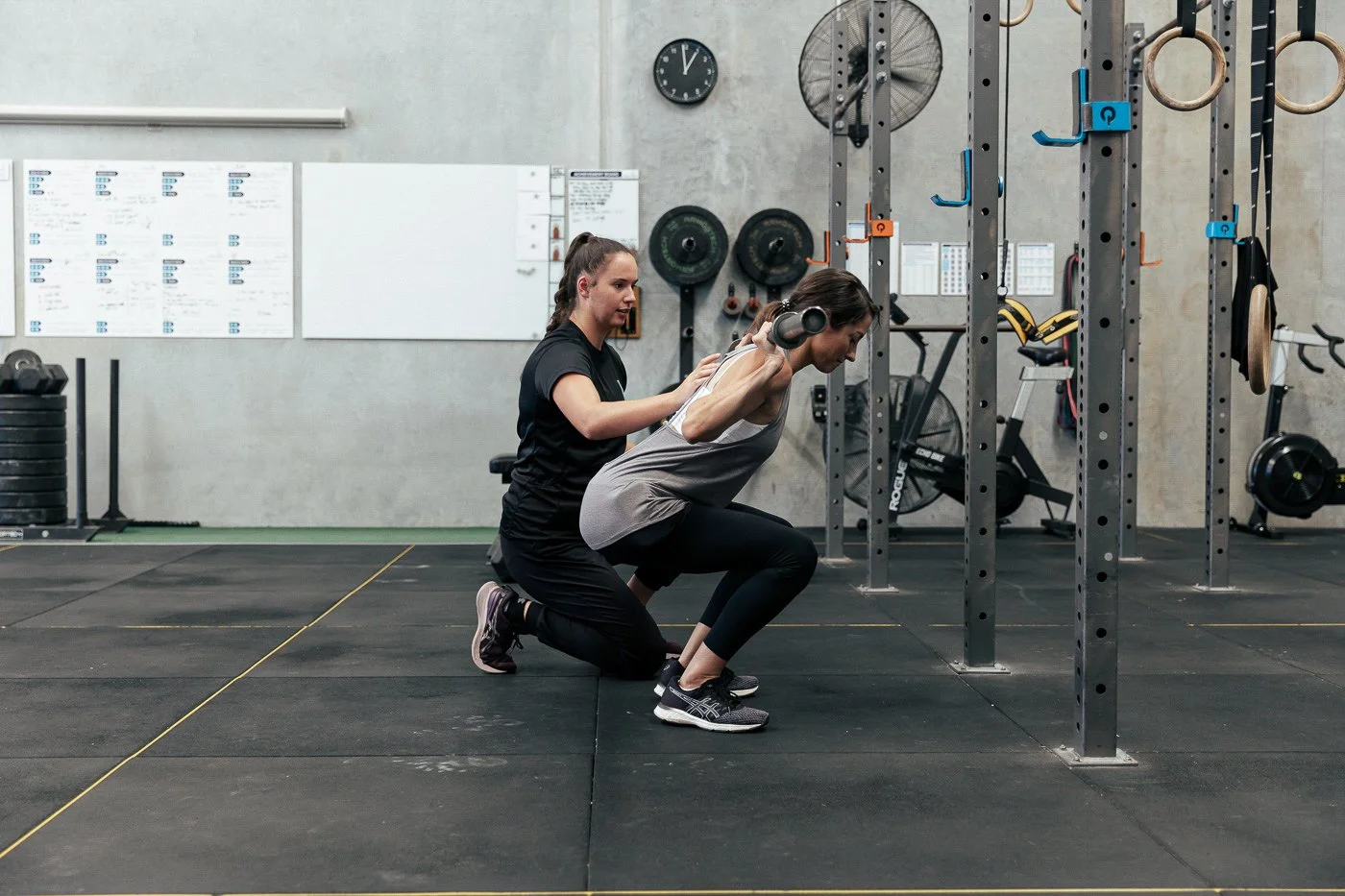
Exercise Physiology
What is Exercise Physiology?
Exercise Physiology is the application of exercise and physical activity to prevent and manage disease, improve function, movement and performance.
Exercise Physiologists assess movement, fitness, metabolic and cardiovascular responses, then design individualized exercise programs that target strength, endurance, flexibility, balance and motor control.
Interventions are evidence-based and often used to rehabilitate musculoskeletal injuries, support recovery from chronic conditions (such as diabetes, heart disease and respiratory disorders), optimise sport performance, and reduce the risk of future injury.
What to Expect
-
An initial exercise physiology appointment at Formotion Physio includes a thorough assessment of your medical history, current symptoms and goals, movement screening and functional testing (strength, balance, mobility and aerobic capacity as appropriate), and baseline measurements.
Your exercise physiologist will discuss lifestyle factors, pain or injury considerations, and any relevant clinical information to design a personalised, evidence-based exercise program.
The session includes your basic exercise plan with progression strategies, injury‑prevention advice and a follow-up plan tailored to your goals and training environment.
-
Ongoing exercise physiology appointments are individualised, goal-focused sessions that progress your rehabilitation, injury recovery or performance.
Each appointment begins with a brief check-in to review symptoms, training load and any changes since your last visit.
Your Exercise Physiologist will guide a tailored warm-up, supervise corrective and strength-based exercises, monitor technique and adjust intensity to ensure safe progression.
Sessions include targeted mobility and conditioning work, evidence-based load management, symptom tracking and self-management strategies to use between appointments.
Regular reviews assess progress, update goals and modify your program to prevent setbacks and optimise long-term function and performance.
Appointments typically run 30–60 minutes and are scheduled at a frequency that matches your needs — from weekly during early rehab to fortnightly or monthly for ongoing maintenance.
-
After progressing through 1:1 exercise physiology sessions, you can move onto tailored online rehabilitation programs that let you continue structured, monitored exercise at home or independently at Formotion / your own gym with regular check-ins and adjustments.
Alternatively, transition into our Community or group classes to build consistency and social support.
Each pathway keeps your goals central: maintain progress, reduce injury risk, and increase fitness with the right level of supervision and friendly motivation!
-
OUr Exercise Physiologist runs a lot of our group classes as well as our ONERO program.
To learn more about our classes click here
Conditions treated with Exercise Physiology
-
Deconditioning and Reduced Strength
Balance Issues & Falls Prevention
Osteoporosis & Bone Density
-
Diabetes Management
Obesity & Weight Management
-
Coronary artery disease
Hypertension
Post-cardiac event rehab
Asthma
COPD
Cystic fibrosis
Long-COVID / post-viral fatigue
-
Work-related injuries
SMART goal setting for return to work
Return-to-work conditioning
Physical capacity & functional strength deficits