
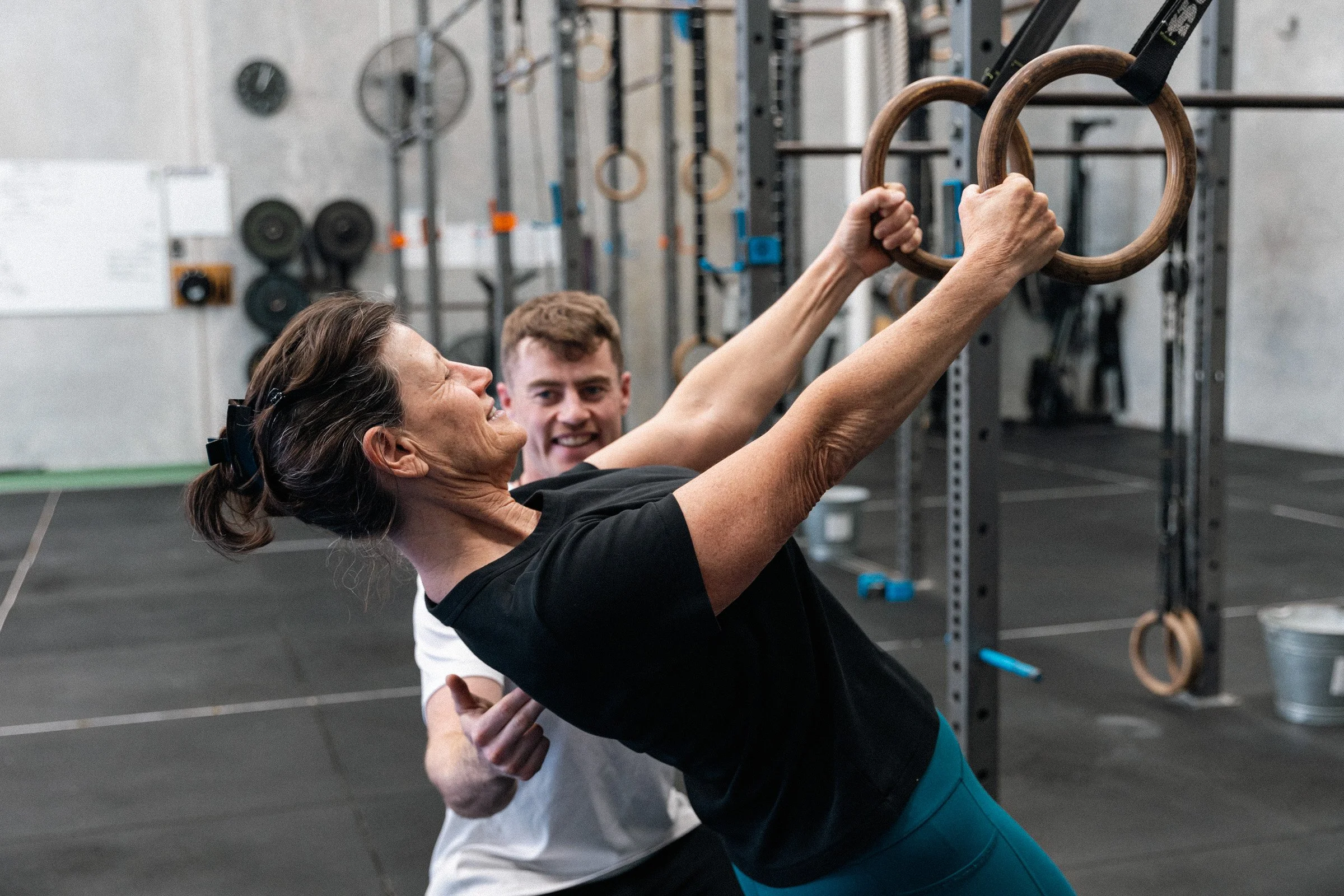
Physiotherapy
What is Physiotherapy?
If you’re on this page we’re going to assume you’re here because a pain, injury or functional issue has been bothering you, or maybe someone has told you that you need to see a Physio?
Some of the things that might lead you to a Physio are:
• Some nagging back pain that won’t go away.
• A clicky shoulder that’s beginning to worry you.
• You’ve noticed that your balance or strength is not what it used to be.
• You recently had a knee / hip replacement and you need to go through rehabilitation.
• You sprained your ankle playing footy on the weekend and want to check how serious it is.
Physiotherapy is an evidence-based health science that can help you with all of the above + much more. As Physiotherapists we are trained to assess what is causing the pain, so if you haven’t already been told what’s going on we are here to help you get to the bottom of it.
The Assessment
A good assessment, and the one we’ll provide at Formotion, will be thorough and will aim to get to know you, your goals and your specific context. It’ll start with a conversation about you and your health, and will include a whole lot of listening. We’ll then go into more physical testing, which might include gentle pressing to see what and where things hurt, or to check if anything looks unstable. We may look at how you move, test movements in your joints as well as perform strength tests. If we’re still unsure, we may refer you for an X-ray or MRI, or chat to your GP about sending you for a different kind of scan or test.
The Treatment
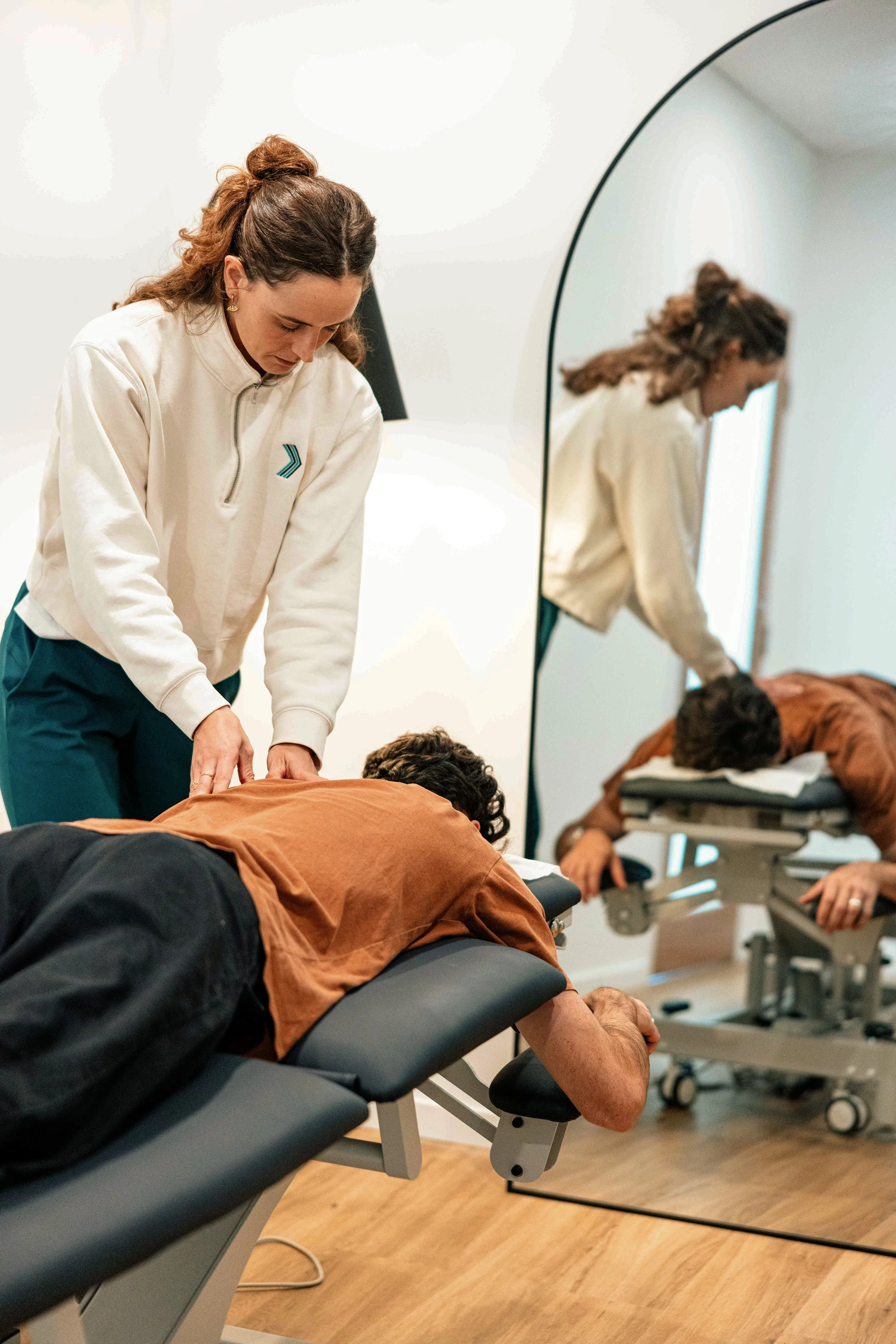
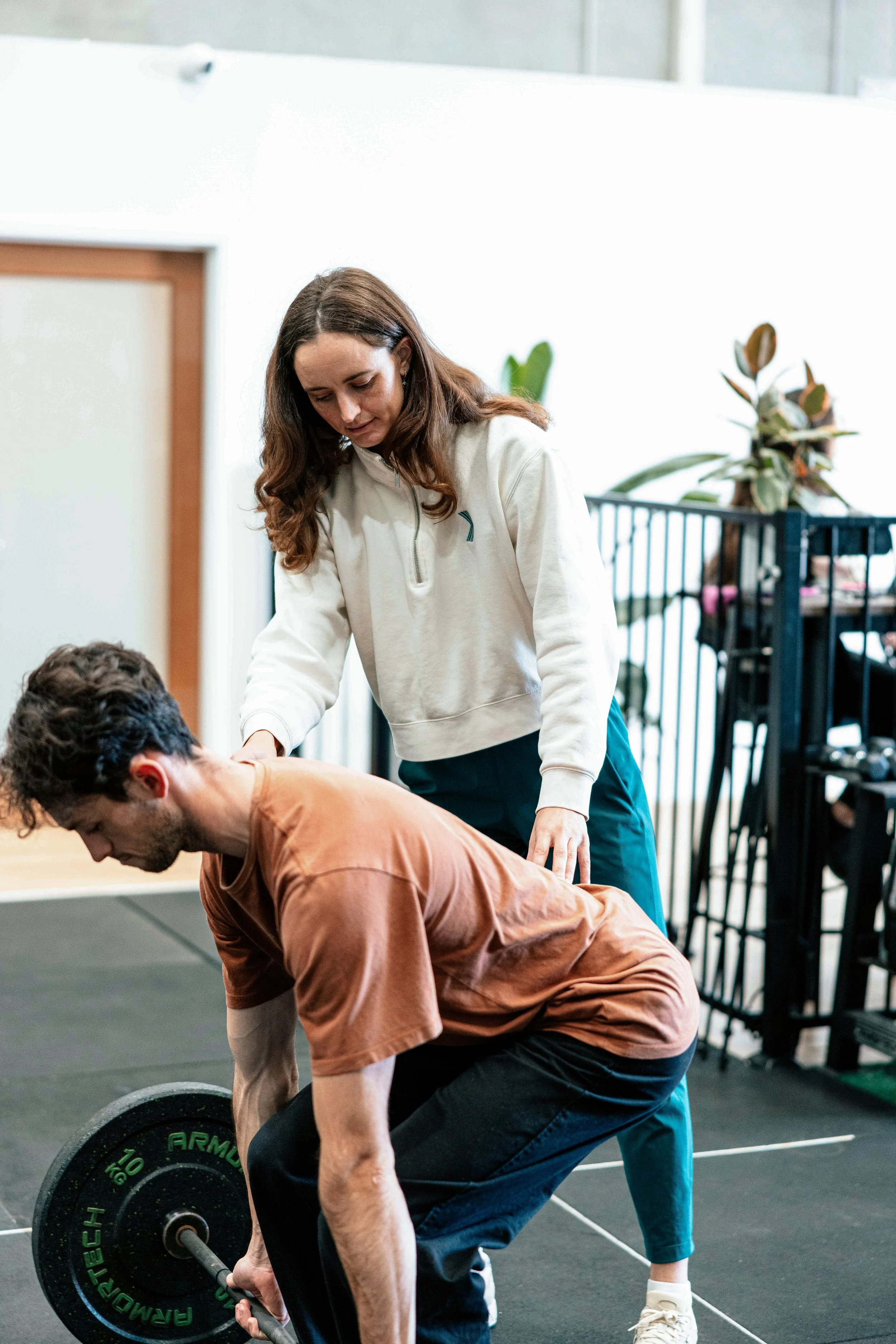
This will then guide our treatment, which again will be individualised to you. Our “Physio Toolbox” contains a range of things like massage, dry needling, exercises, stretches as well as education around posture, health and movement. Not all of these will be appropriate for you or your condition, which is why a good assessment and accurate diagnosis is so important.
Good physiotherapy takes into account your specific diagnosis, as well as your goals (getting back to running, lifting your kids without wincing, sleeping through the night pain-free), and what's realistic given your work, your schedule, and your life. We’ll let you know why we have or haven’t chosen a specific kind of treatment, however if there is something you really do want we take that into account too. We know that sometimes you just want someone to get into your back and that’s ok, as long as we don’t think it’ll cause more harm!
At Formotion, the plan you’re given will consider all of this, and you’ll walk away with a clear plan delivered through our app software, which will include videos and a written summary of what we discussed. We’ve moved beyond the generic stick-figure handouts here!
The Follow Ups & Your Progress
It's easy to keep booking appointments indefinitely without ever really knowing if you're improving. Good physiotherapy sets clear, measurable goals early on and checks progress against them regularly, how far you can move, how much load you can tolerate, how your pain is trending. If things aren't progressing the way they should, the plan changes. You shouldn't be left wondering whether you're actually getting better.
We also know our own scope. If your issue is not progressing, or needs further imaging, a specialist opinion, or input from your GP, we will say so and refer you on, rather than continuing treatment that isn't going to resolve the real problem.
Putting you in control of your recovery
The goal of good physiotherapy isn't to keep you coming back forever, it's to get you moving well, understanding your body, and feeling equipped to manage things yourself, with a home program and self-management strategies that make sense for your life. You should walk away more capable, not more dependent.
This is what underpins our treatment style at Formotion. Our goal with all of our clients is to have you walking away feeling better, but to also feel more empowered for the future in the case of more pain or injury that life undoubtedly likes to throw our way!

Conditions we treat
-
Headaches
Concussion
Whiplash (including after motor vehicle accidents)
Wry “Cricked” Neck
Pinched nerve / Cervical Radiculopathy
Postural related neck pain
Jaw Muscle Tightness
-
Low back pain (acute or chronic)
Thoracic spine stiffness or pain
Disc bulge / herniation
Sciatica / lumbar radiculopathy
Facet joint dysfunction
Spondylolisthesis / spondylosis
Rib sprains
Postural pain
Sacroiliac joint (SIJ) dysfunction
Pregnancy-related back/pelvic pain
-
Rotator cuff tendinopathy / tears
Subacromial pain syndrome / impingement
Shoulder bursitis
Frozen shoulder (adhesive capsulitis)
AC joint sprains / arthritis
Biceps tendinopathy
Labral tears (SLAP, Bankart)
Shoulder instability and dislocations
Post-operative shoulder rehab (e.g., RC repair, stabilisation)
-
Biceps / triceps strains
Elbow sprains
Tennis elbow (lateral epicondylalgia)
Golfer’s elbow (medial epicondylalgia)
Nerve entrapments (radial, median, ulnar)
Olecranon bursitis
Post-operative elbow rehab
Radial head fracture rehab
-
Wrist sprains
Carpal tunnel syndrome
De Quervain’s tenosynovitis
Finger sprains
Tendon injuries
Arthritis management
Post-fracture rehab
-
Hip labral tears
Hip impingement (FAI)
Gluteal tendinopathy
Trochanteric bursitis
Hip osteoarthritis
Hamstring origin tendinopathy
Osteitis pubis
Groin strains
Adductor tendinopathy
Post-operative hip replacement or arthroscopy
-
ACL / PCL / MCL / LCL injuries
Meniscus tears
Quad & Hamstring strains / tears
Patellofemoral pain syndrome
Patellar tendinopathy (jumper’s knee)
Knee osteoarthritis
Postoperative ACL reconstruction rehab
Post Total Knee replacement rehab
ITB syndrome
Osgood-Schlatter / adolescent knee pain
-
Ankle sprains / syndesmosis sprains
Chronic ankle instability
Achilles tendinopathy
Post surgical rehab for achilles rupture
Calf strains
Plantar fasciitis
Peroneal tendinopathy
Posterior tibial tendinopathy
Stress fractures
Shin splints (MTSS)
Toe and midfoot injuries
-
Stress urinary incontinence in athletes
Pelvic pain syndromes
Pre- and post-natal rehab
Diastasis recti
Coccyx pain
Post-prostatectomy rehab (later stages / return to exercise)
-
Post-surgical rehab
Post-fracture rehab
Functional capacity and return-to-work rehab
Osteoporosis
Osteoarthritis
Postural dysfunction
Chronic pain management
Balance training & fall prevention
Sports injury prevention
Mobility and strength deficits
Hypermobility spectrum disorders / EDS conservative management