
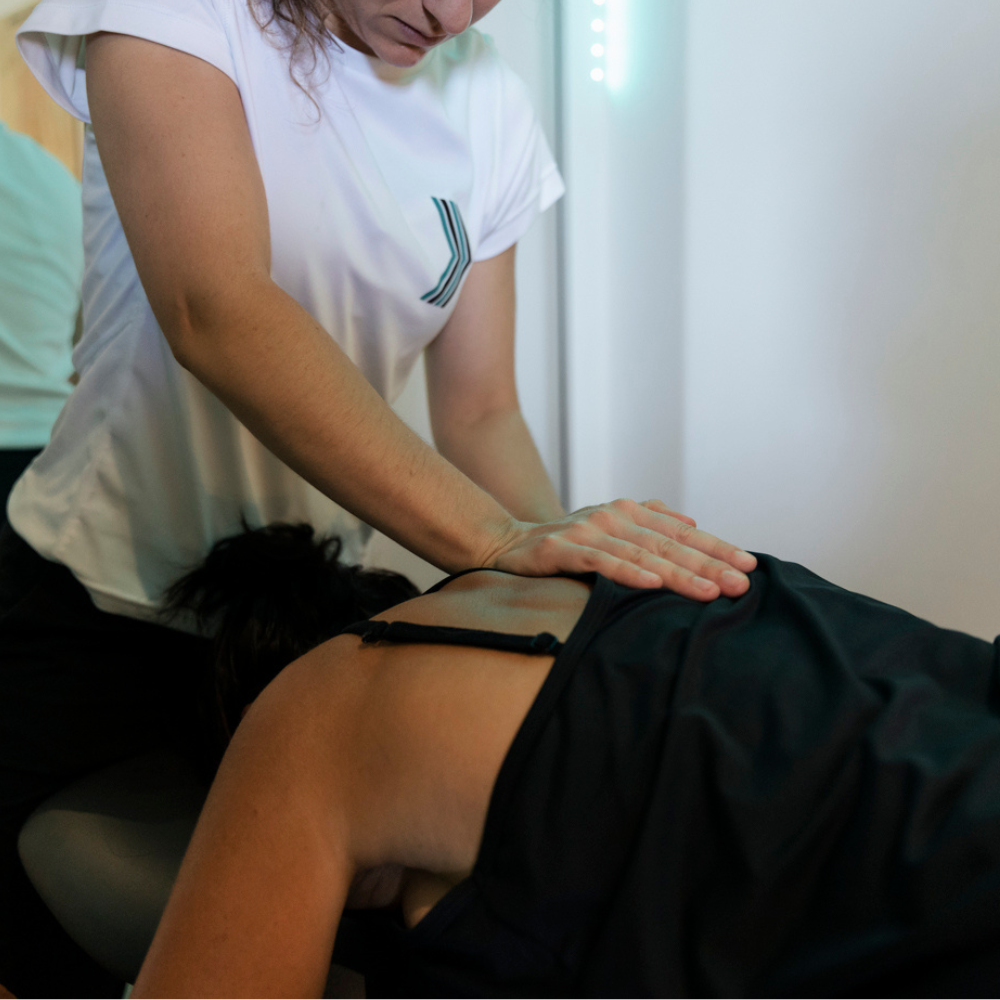
Massage & Dry Needling
Dry needling and massage Can be helpful in managing pain and tension in muscular conditions.
How does massage and dry needling help?
Dry needling and massage may help if you are limited by muscular pain and tension. The reduction in pain and potential increase in blood flow to the area may help speed up the healing process. Reduced pain in the area also allows you to move better. It is then important to use this window of improved pain to move and perform exercise rehabilitative exercises if necessary.
They can both also help with general soreness from high training load, particularly for athletes in season.
How does dry needling work?
Our dry needling technique uses extremely fine acupunture needles, however the technique is different to acupuncture in that we are using it to stimulate deeper “trigger points” or areas of sensitivity which in turn can cause muscles around the area to spasm and stay contracted.
During treatment you may feel a tiny prick as we tap the needle into position, we then insert the needle and move it in and out of the muscle beneath the surface of the skin with the intention of eliciting a twitch response. Generally we will use one needle at a time and remove it immediately after we have achieved a response from the sensitised area or trigger point.
The treatment is normally over within a few minutes and we don’t normally leave lots of needles in for a period of time.
With the needles being super fine you normally won’t feel too much unless we find a trigger point, in which case you might feel a pinching type sensation.
Can I exercise after dry needling?
Normally you can get straight back to light exercise and activity after dry needling. However we normally recommend to stay away from any heavy or high intensity workouts for a day or two.
You may also feel a bit of an ache for about 24 hours after treatment, the sensation feels quite similar to if you had done a hard workout the day before!
Are there any risks?
Normally dry needling is very safe, however there are a few contraindications including:
Bleeding disorders or vascular disease
Anti-coagulant medication
Pregnancy
Diabetic
Very acute injuries or if there is swelling or oedema present
If infection is present or you are immunocompromised
There is also the low but present risk of pneumothorax (punctured lung) when dry needling around the ribcage, neck and shoulder area, however we are trained to avoid this during our certifications.
Bookings can be made online by selecting a Physiotherapy appointment type at any of our locations, or the dedicated “Physiotherapy Massage & Dry Needling” appointment type. You can then request dry needling as part of your consultation.
Click the button below to go to our online booking page or give us a call.