What is an Achilles Rupture?
The Achilles is a tendon at the back of your ankle that joins your calf muscles to your heel bone. It lets you run, jump and hop. Most ruptures happen during a sudden push off motion, and often in sports like basketball, soccer and rugby, or even CrossFit.
What does recovery from Achilles Rupture surgery look like?
Recovery from an Achilles rupture is a long process, often taking 9 to 12 months. Timeframes can vary between people and between surgeons, but generally moves through the key phases outlined below.
Whether you’re an athlete or an active individual, experience matters with this injury. Achilles ruptures are an important part of what we treat. Having done significant further training in treating Achilles ruptures, our highly experienced team ensures you get clear answers and rehab that moves forward at the right pace for your tendon.
At Formotion Physio, we incorporate your surgeon’s protocol into all rehab plans. You can read more about the Willets protocol here.
Achilles Rupture Rehab Timelines
Week 0-4: Protect the healing tendon and boot use
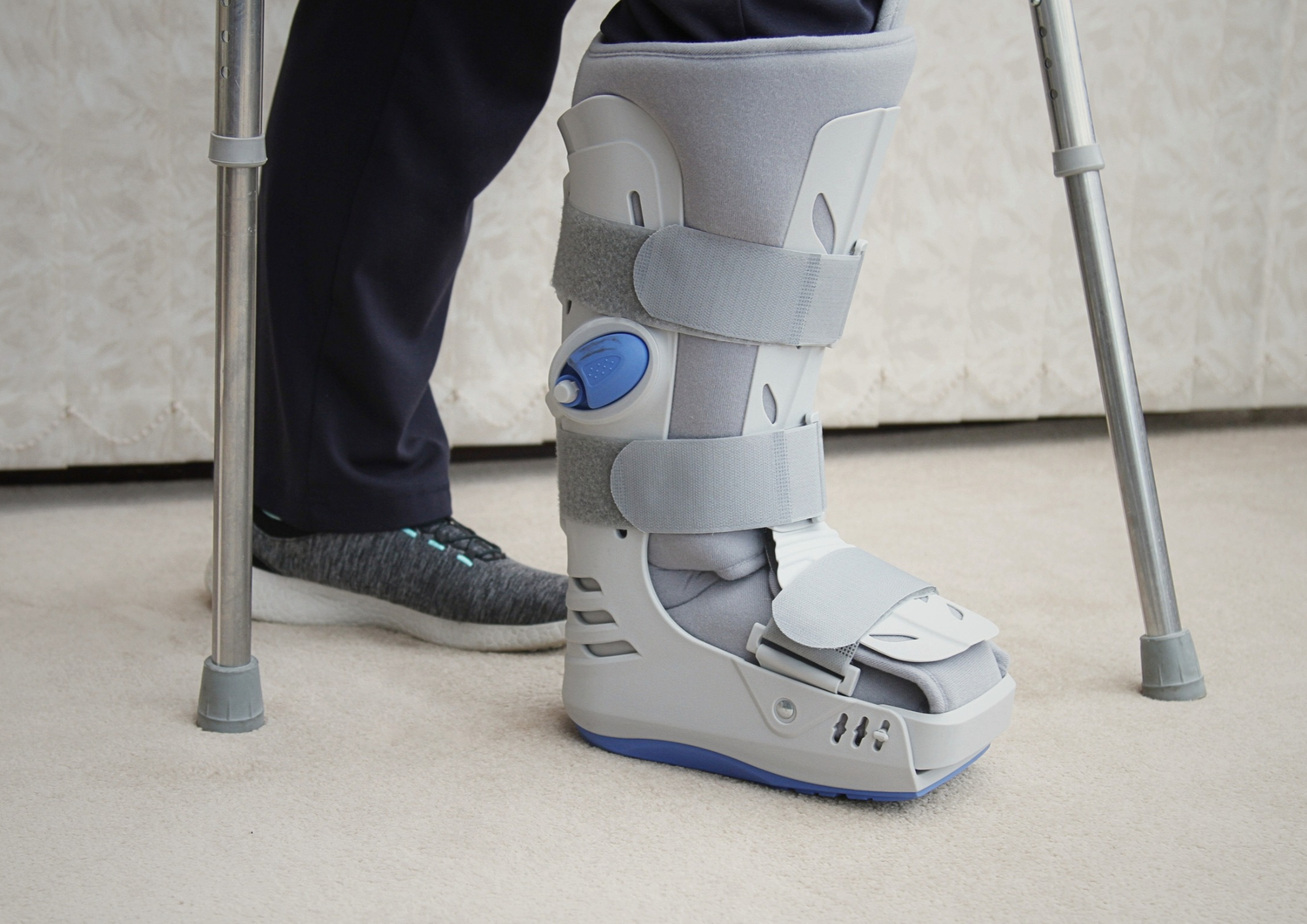
You will often wake up with a boot or cast on, with your ankle pointed slightly downwards. If you’re in a boot, you will have wedges underneath the heel. This position helps support the healing process of the Achilles. You are given crutches, and generally avoid placing any weight through the foot for 2-4 weeks. We may prescribe some gentle ankle exercises and swelling management. You will remain in the boot whilst sleeping. We keep the rest of you strong during this time, training the hips, core, opposite calf and legs.
Week 4-8: Gradual walking and weight bearing
Over the next 4-6 weeks, you will gradually transition to placing more weight through the injured Achilles whilst in the boot. We often reduce the use of the crutches, from two crutches to one and eventually no crutches. During this time, we also gradually reduce the wedge height in your boot. We also start gently loading the Achilles with specific calf and tendon exercises. These early phases are extremely important to get right to minimize any tendon elongation risk.
Week 8-12: Building tendon strength and boot transition
We build on the exercises done in the weeks prior, continuing to strengthen the calf and Achilles tendon. This ensures that your Achilles is robust and can cope with the load of walking without the boot. This may look like seated isometric calf holds, foot muscle exercises and balance work. We continue to remove the heel wedges depending on how you’re progressing. We monitor tendon elongation at all key phases in your rehab.
Week 12 -16: Boot removal and calf strength
At around 12 weeks, the boot is usually removed. From here we transition you to a shoe with a wedge. Calf strength and tendon loading exercises are progressed throughout this phase, with seated calf isometrics increasing in weight and the start of standing calf raises. We aim towards a double leg standing calf raise.
Week 16+ to 6-9 months: Calf and Tendon Loading
At four months we are focusing on regaining your calf strength. Aiming for single leg calf strength, heavy isometric calf work and high level dynamic balance. Once you’re strong enough, we progress to plyometrics which include jumping, landing, running, hopping and change of direction. As the months progress, we tailor your rehab to your specific goals and sport. We test and monitor your progress throughout this stage.
When can I return to sport after an Achilles Rupture?
Our final stage in Achilles rupture rehab is return to play testing. This is often around 9 months post surgery. This includes the use of Force Plates, dynamometers and change of direction testing. This allows us to identify any deficits in the Achilles tendon or other areas to minimise any risk of re-injury. We focus on the specific demands of your sport and tailor your rehab to this. You can read more about our performance testing here
How we help at Formotion Physio
Whether you’ve just ruptured your Achilles tendon, or are later on in your recovery and need more specific guidance or a second opinion, our experienced team can guide you through each stage.
You can book online, or talk to our team and we’ll guide you from the start.
A thorough assessment
Generally at 2 weeks post surgery, after your wound check, we recommend coming in for your first appointment. Here, we look at how your foot is moving, adjust any crutch use and start planning depending on your sport, work and goals. We’ll also check for any signs that need further medical attention.
Clear education
We’ll explain what the research says and what to expect at each stage, and we’ll work alongside your surgeon’s protocol so you always know where you’re at.
A personalised rehab program
Progressive exercise to restore movement and rebuild strength, with practical tips for work, home and getting around in the boot.
Return to play testing before returning to sport
Our performance testing measures strength, hopping, landing and endurance so that decisions are based on results, not just timeframes.