
Dry Needling
Dry needling can be helpful in managing pain and tension in muscular conditions. All of our Physiotherapists have accreditation in dry needling.
Dry Needling
What is it
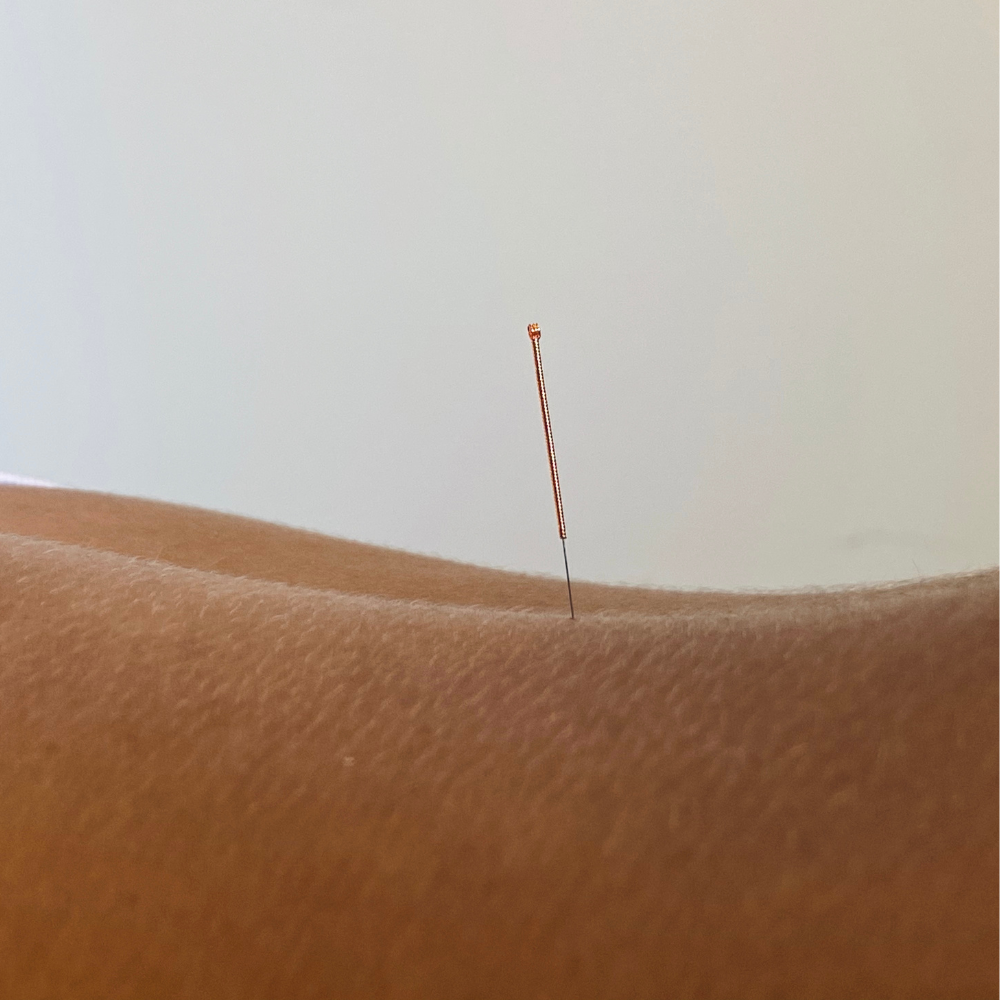
Dry needling is a hands-on technique where a physiotherapist uses an extremely fine needle to treat painful, tight areas of muscle. It uses the same type of needle as acupuncture, but the approach is different. Rather than following traditional acupuncture principles, we use it to target “trigger points”. These are sensitive, knotted spots deep in a muscle that can cause the surrounding muscles to spasm and stay tight.
What is it for
Dry needling is used when muscular pain and tension are limiting how well you can move. Easing the pain and potentially increasing blood flow to the area may help speed up healing. With less pain, you can move more freely, and that’s the ideal time to get stuck into your rehabilitation exercises if you need them.
It can also help with general muscle soreness from heavy training loads, which is especially useful for athletes in season.
How does it work / what to expect
We tap the needle gently into position, which you may feel as a tiny prick. We then move it in and out of the muscle beneath the skin, aiming to trigger a brief “twitch” response in the tight muscle.
We generally use one needle at a time and remove it as soon as we get a response from the trigger point.
Treatment is usually over within a few minutes. We don’t normally leave a lot of needles in for a long period.
Because the needles are so fine, you usually won’t feel much unless we find a trigger point. If we do, you might feel a pinching sensation.
Can I exercise afterwards? Most people can return to light exercise and normal activity straight away. We recommend avoiding heavy or high-intensity workouts for a day or two.
What might I feel afterwards? It’s common to feel an ache for about 24 hours, similar to how you’d feel the day after a hard workout.
Conditions it can help
Dry needling may be useful for:
Muscle tightness and tension
Trigger points and muscle spasm
Muscle pain that’s limiting your movement
General soreness from high training loads, particularly for athletes in season
It’s often used alongside massage and exercise rehabilitation as part of a broader treatment plan.
When it is not indicated
Dry needling is normally very safe, but it may not be suitable if you have:
A bleeding disorder or vascular disease
Anti-coagulant (blood-thinning) medication
Pregnancy
Diabetes
A very acute injury, or swelling (oedema) in the area
An infection, or a weakened immune system
There’s also a low but present risk of pneumothorax (punctured lung) when needling around the ribcage, neck and shoulder. Our physios are trained to avoid this as part of their certifications.
Bookings can be made online by selecting a Physiotherapy appointment at any of our locations in Osborne Park, Joondalup or O’Connor. Just put in your form that you are keen for dry needling and your Physiotherapist will discuss with you whether it is appropriate. If unsure give us a call instead.